

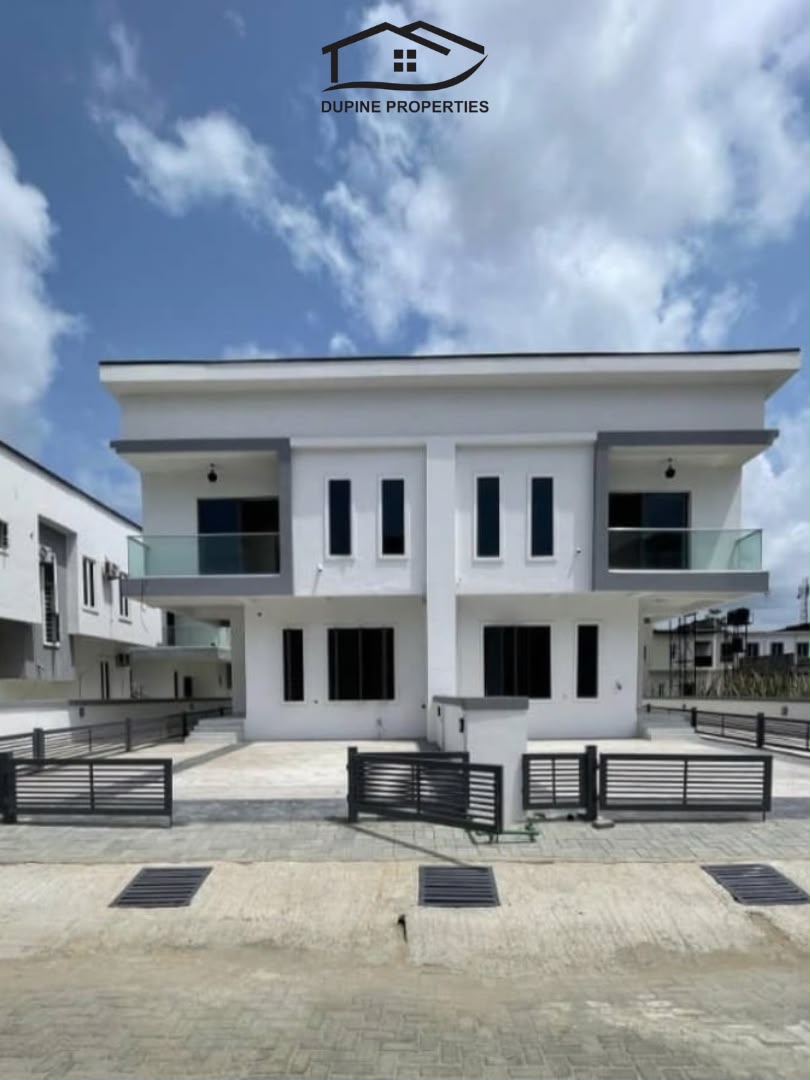
Infrastructure development plays an important role in determining the value and attractiveness of real estate. Facilities such as good roads, electricity, drainage systems, water supply, schools, hospitals, and public transportation can influence how much buyers are willing to pay for properties in a particular location.
For property owners, investors, and prospective buyers, understanding the relationship between infrastructure and property values is essential when making real estate decisions.
- Improved Road Networks and Accessibility
Good road networks make it easier for residents, workers, and businesses to access different parts of a city. Properties located near well-maintained roads are often more attractive because they offer convenience and reduce transportation difficulties.
When a previously difficult-to-access area receives improved roads, it may attract more residents, businesses, and property investors. This increased demand can contribute to rising property values over time.
- Availability of Essential Utilities
Reliable electricity, clean water, and effective drainage systems contribute significantly to the comfort and functionality of a property.
Areas with dependable essential services are generally more appealing to people looking to buy, rent, or develop properties. In contrast, locations with poor drainage, frequent flooding, or inadequate electricity may experience reduced demand or require additional investment to make properties suitable for occupation.
The availability and reliability of these services can therefore influence both rental and market values.
- Access to Schools, Hospitals, and Commercial Centres
Proximity to schools, healthcare facilities, shopping centres, and other essential services can increase the attractiveness of a neighbourhood.
Families may prefer locations close to schools and hospitals, while business owners may seek areas with convenient access to commercial centres and major roads. As more people seek properties in these locations, demand may increase and influence market values.
However, the effect depends on factors such as accessibility, the quality of the facilities, traffic conditions, and the overall character of the neighbourhood.
- Increased Investment and Economic Activities
Infrastructure projects can encourage new businesses, residential developments, and commercial activities within an area. Improved connectivity may also make previously overlooked locations more attractive to investors.
For example, the construction or improvement of a major road in Ibadan may make surrounding communities more accessible and encourage further development. Where this leads to sustained demand, property values may increase.
Nevertheless, infrastructure development does not guarantee appreciation. The outcome depends on the scale of the project, the level of demand, land availability, and wider economic conditions.
- The Importance of Location and Professional Valuation
Although infrastructure is an important factor, it should not be considered in isolation when assessing a property’s value. Other considerations include the property’s size, condition, permitted use, title documentation, neighbourhood characteristics, market demand, and comparable property transactions.
A property located near a major road, for instance, may benefit from accessibility but could also be affected by noise, congestion, or environmental concerns.
For this reason, property owners and investors should seek the advice of a qualified Estate Surveyor and Valuer when making decisions that depend on the current market value of a property.
Professional valuation considers the relevant characteristics of the property, prevailing market conditions, and the influence of infrastructure and other location-specific factors.
Conclusion
Infrastructure development can contribute to real estate growth by improving accessibility, supporting economic activities, and making locations more attractive to buyers, tenants, and investors. However, its effect on property values varies from one location to another and depends on several market and property-related factors.
Understanding these factors helps buyers make informed purchasing decisions, enables investors to assess opportunities more carefully, and assists property owners in understanding the factors that may influence their assets’ values.
At Dupine Properties, we recognise the importance of location, infrastructure, and professional real estate advice in property-related decisions. Whether you are buying, selling, investing, or seeking property valuation services, informed decisions begin with the right professional guidance.

